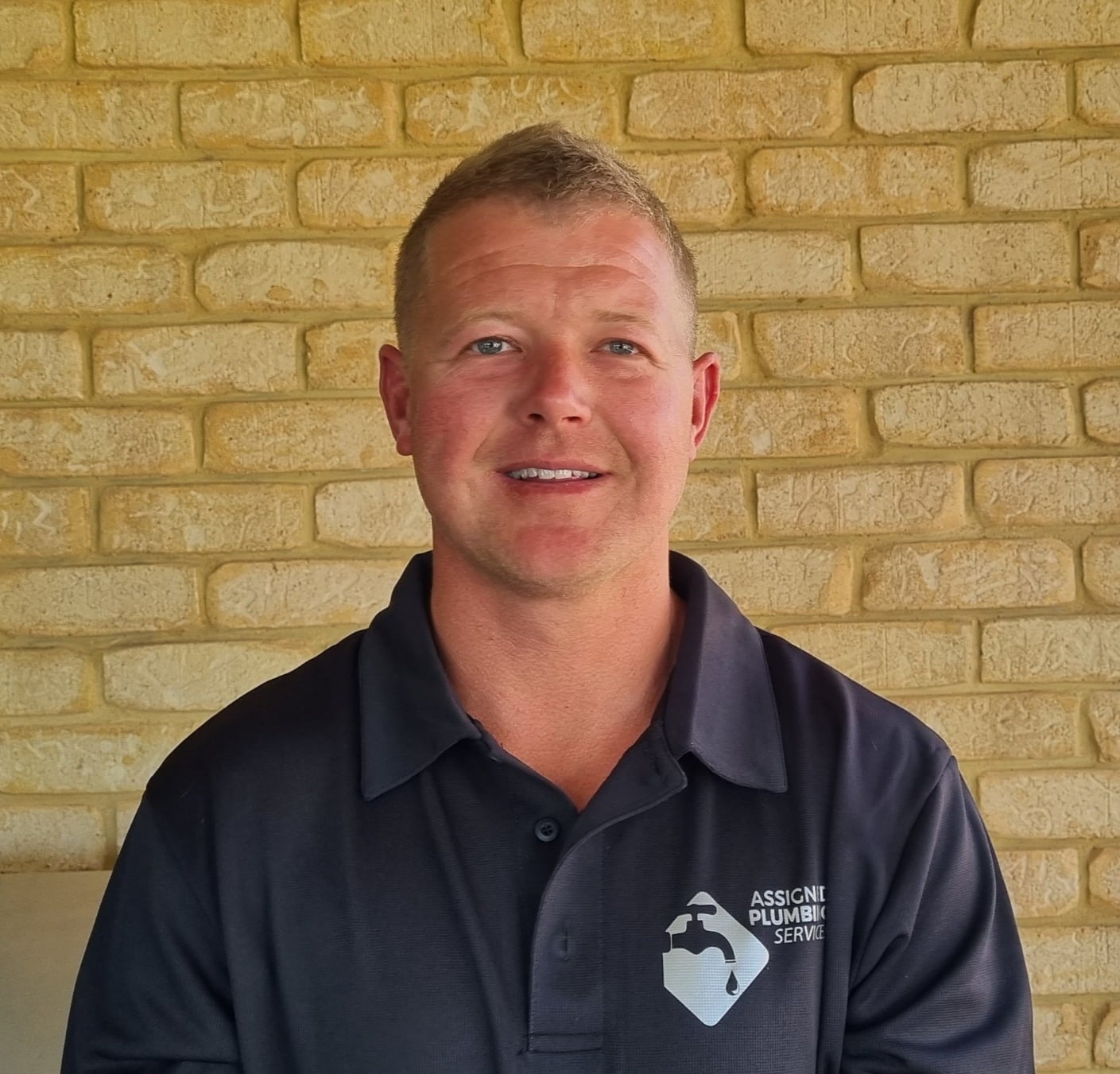
By Ashley Newell · June 10, 2026
When Do You Legally Need a Licensed Plumber or Gas Fitter in South Australia?
With online tutorials for almost everything, it is tempting to treat a leaking tap or a wobbly gas cooktop as a weekend DIY job. But in South Australia, a lot of plumbing and gas work is not just risky to do yourself – it is against the law. Understanding where the line sits protects your home, your insurance and, most importantly, your family. As a licensed plumber and gas fitter, I want to explain clearly what work legally requires a professional in SA, why the rules exist, and how to check that whoever you hire is properly licensed.
Who regulates plumbing and gas work in SA?
In South Australia, plumbing, gas fitting and electrical work is regulated under the Plumbers, Gas Fitters and Electricians Act 1995, administered by Consumer and Business Services (CBS). The system has two parts: a person must be registered to physically carry out the work, and a business must hold a contractor’s licence to contract for it. Even apprentices must hold a registration card. It is not a token piece of paperwork – it is proof that the person working on your home has the training, competence and legal authority to do so.
What work legally requires a licensed plumber or gas fitter?
As a general rule, if work connects to the water supply, the sewer or the stormwater system, or involves gas, it must be done by a licensed professional. That includes:
- Installing, altering, repairing or replacing water supply, drainage and sewer pipework.
- Installing or replacing hot water systems.
- Installing, servicing, altering or disconnecting gas appliances and gas pipework – anything downstream of the gas meter or cylinder outlet.
- Connecting fixtures such as toilets, sinks, dishwashers and rainwater tank plumbing to the mains or sewer.
- Backflow prevention and hot and cold water system work.
There are a few genuinely minor tasks a homeowner can usually do themselves – swapping a tap washer, plunging a blocked toilet, or cleaning a drain grate. But the moment a job involves cutting into pipework, connecting appliances, or any gas at all, it is licensed work. If you are ever unsure, the safe assumption is that it needs a professional.
Why DIY plumbing and gas work is illegal and dangerous
The rules are not there to make life difficult – they exist because the consequences of getting it wrong are serious.
- Gas is potentially deadly. Unlicensed gas work can lead to leaks, fire, explosion or carbon monoxide poisoning. Carbon monoxide is colourless and odourless, and a badly installed or serviced appliance can produce it without any obvious warning.
- Water damage and health risks. Poorly done plumbing can cause hidden leaks, burst pipes, and cross-connections that contaminate drinking water or allow sewage to back up into the home.
- Penalties. Carrying out licensed plumbing or gas work without registration is an offence in SA, and both the person doing the work and whoever engaged them can be penalised.
- Insurance. If unlicensed work causes damage or a fire, your home insurance claim can be refused – leaving you to cover the loss yourself.
- Selling your home. Non-compliant work discovered during a sale or inspection often has to be torn out and redone by a licensed plumber, at your cost.
If you ever smell gas, do not investigate it as a DIY project. Turn off the supply at the meter, avoid anything that could cause a spark, get everyone outside, and call the 24-hour gas emergency line on 1800 GAS LEAK (1800 427 532), then a licensed gas fitter.
What a licence actually means for you
When you hire a licensed plumber and gas fitter, you are getting more than someone who knows which end of the spanner to hold. A licence means the tradesperson has completed formal training and an apprenticeship, works to the relevant Australian Standards and plumbing code, and can issue the compliance documentation that proves the work was done correctly. For gas work in particular, that compliance paperwork is your evidence that appliances have been installed and tested safely. It also means there is accountability – a licensed professional is answerable to the regulator for the quality and safety of their work.
How to check a plumber or gas fitter’s licence
Checking is quick and completely reasonable to ask – any good tradesperson will happily provide their details. Here is what to do:
- Ask for the plumber’s or gas fitter’s licence or registration number up front.
- Confirm the licence covers the specific work you need – plumbing and gas fitting are separate categories, and not everyone holds both.
- Check the details against the Consumer and Business Services (CBS) public register for South Australia.
- Make sure the business also holds a contractor’s licence if it is contracting for the work.
- Get your quote and any compliance certificates in writing.
For your peace of mind, Assigned Plumbing Services is a fully licensed plumbing and gas fitting business. Our work is carried out by Ashley Newell, a licensed plumber and gas fitter (Licence PGE-274459), so you know every job is done legally, safely and to standard.
Work with a licensed local team
Whether it is a gas appliance, a hot water unit or an urgent leak, the safest and cheapest option in the long run is to get it done right the first time by a licensed professional. Learn more about our licensed gas plumber and fitter services, our hot water system installations and repairs, and our emergency plumbing response across Adelaide, the Adelaide Hills and the Murraylands.
Need a licensed plumber or gas fitter you can trust? Call Assigned Plumbing Services on 0410 063 121 for honest, compliant, local service.
Free, no obligation
Got a plumbing job in mind?
From a leaking tap to a complete restoration, Assigned Plumbing covers Adelaide and all surrounding areas with over a decade in the trade. Call Ash today for a free, no-obligation quote.